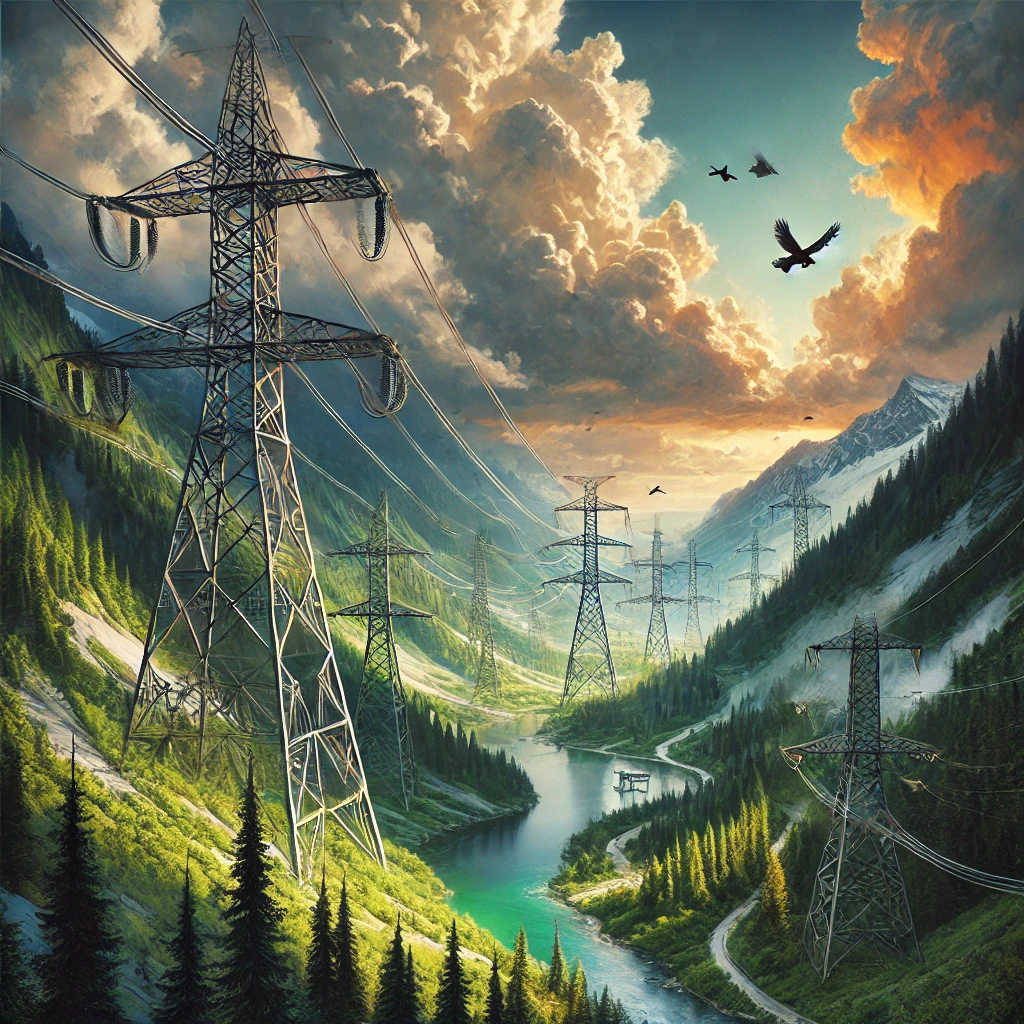
A proposed 70-mile high-voltage transmission line has become a point of contention in Maryland, particularly in Garrett County and two other central Maryland counties. The plan, spearheaded by a New Jersey-based electric company, aims to enhance energy transmission capabilities. However, concerns have been raised over its potential impact on state-protected lands, prompting opposition from state officials and environmental organizations.
The Proposal
The transmission line project is part of a broader effort to modernize and expand the region’s energy infrastructure. Supporters of the proposal argue that the new power lines will improve the reliability of the electric grid, support economic growth, and accommodate increasing energy demand. Proponents also highlight the potential for integrating renewable energy sources into the grid, ensuring long-term sustainability.
Environmental Concerns
One of the most significant issues surrounding the project is its potential environmental impact. According to a report by the Chesapeake Bay Foundation, the construction of the power lines would affect over 500 acres of protected land, including forests and waterways. Conservation groups and local advocates fear that the project could lead to deforestation, habitat destruction, and water quality degradation.
Government and Community Response
Maryland Governor Wes Moore has voiced strong opposition to the project, citing concerns about its impact on rural lands and protected areas. His stance aligns with environmental organizations that argue the project could undermine conservation efforts in the state.
Local officials, including State Senator Mike McKay, have been actively engaged in discussions about the proposal. Some community members have expressed concerns over potential disruptions to their land and the aesthetic impact of power lines on scenic areas.
On the other hand, some stakeholders, including business leaders and utility representatives, emphasize the need for a reliable energy grid. They argue that modernizing the transmission infrastructure is essential for meeting the state’s growing energy needs and ensuring economic stability.
The Ongoing Debate
The debate over the transmission line project reflects broader discussions about balancing infrastructure development with environmental preservation. While energy reliability is a crucial issue, the potential consequences for protected lands and local ecosystems remain a key concern.
As the proposal moves through regulatory and environmental review processes, discussions between state officials, environmental advocates, and energy companies will continue to shape the future of the project. Ultimately, the decision will hinge on finding a compromise that addresses both energy demands and environmental stewardship.
The proposed power line project in Garrett County highlights the complexities of infrastructure expansion in environmentally sensitive areas. As stakeholders on both sides present their arguments, the final outcome will likely depend on regulatory assessments, public input, and negotiations between state authorities and the electric company behind the proposal.