Cumberland’s “Junk Property” Crackdown Raises a Bigger Question: What’s Causing the Blight
Cumberland officials are looking to tighten enforcement on so-called “junk properties” — homes and lots cluttered with debris, overgrowth, or conditions that can spill into public safety and neighborhood quality-of-life concerns.
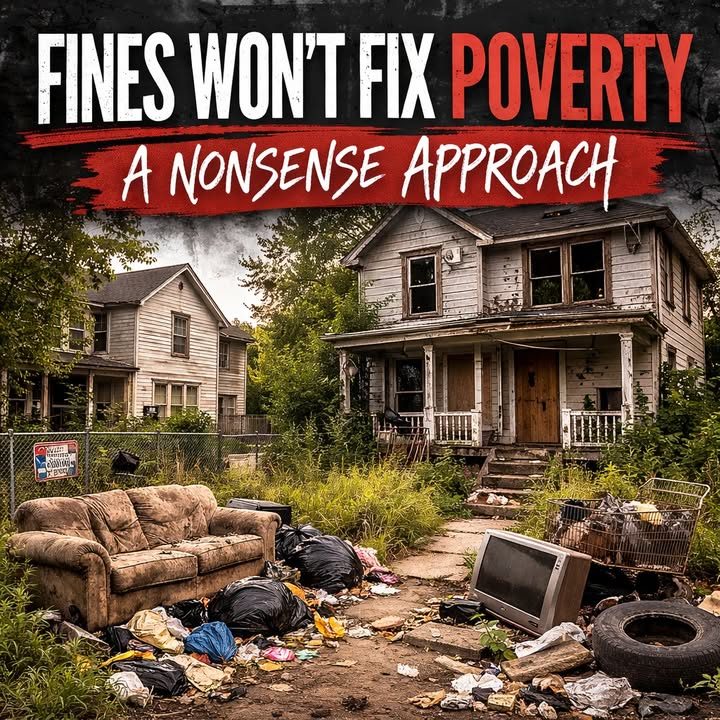
CUMBERLAND, Md. — Cumberland officials are looking to tighten enforcement on so-called “junk properties” — homes and lots cluttered with debris, overgrowth, or conditions that can spill into public safety and neighborhood quality-of-life concerns. A city ordinance passed earlier this year is intended to speed up code enforcement, and Code Compliance Manager Kevin Thacker provided an update on those efforts during a recent Mayor and City Council work session, according to reporting referenced by local outlets. 
For many residents, the frustration is real: a neglected yard, a vacant house that attracts dumping, or a property that becomes a magnet for pests and hazards. But as the city accelerates enforcement, a growing number of community members are also asking a harder question: are we treating the symptom while ignoring the source?
“Address the root causes—addiction, instability, and poverty—and the visible problems shrink.”
Property neglect doesn’t always come from apathy. In many communities, persistent blight tracks with deeper issues — substance use disorder, untreated mental health struggles, job loss, unstable housing, and absentee ownership. When someone’s life is unraveling, mowing grass and hauling trash can become impossible. That doesn’t mean unsafe conditions should be tolerated — but it does mean enforcement-only approaches can become a revolving door of citations without lasting improvement.
The addiction backdrop in Cumberland’s region
Cumberland sits in Allegany County, and overdose impacts have been significant — even as recent data shows improvement.
A Cumberland Times-News report said Allegany County recorded 22 overdose deaths in 2024, down from 48 in 2023, while statewide Maryland totals also declined in 2024.  More recently, the State of Maryland announced overdose deaths continued falling in 2025, calling it a 10-year low, alongside declines in fentanyl-related deaths and other categories. 
Those declines matter — they reflect lives saved. But they also underline the scale of the crisis that still touches families, neighborhoods, and housing stability across the region.
What residents want isn’t “more tickets” — it’s lasting change
Most neighbors aren’t asking government to simply issue fines faster. They want fewer dangerous eyesores, fewer vacant properties, and fewer situations where a home becomes unlivable. If Cumberland’s “junk property” ordinance focuses only on cleanup and penalties, it may improve appearances in the short term while leaving the underlying drivers untouched.
A longer-term approach often combines:
- Firm enforcement for truly abandoned, hazardous, or repeat-offender properties
- Accountability for absentee owners/landlords who ignore basic maintenance
- Resource-first pathways for occupied homes where neglect is clearly tied to crisis (connections to treatment, case management, and stabilization supports)
Cumberland can absolutely pursue cleaner blocks — but the community conversation is shifting toward something deeper: if the goal is fewer “junk properties,” the most effective strategy may be to pair enforcement with solutions that actually reduce the conditions that create blight in the first place.