Garrett County’s “Cursed Land”: The Story of Maryland’s Mysterious Burning Ground
A Fiery Mystery in the Mountains
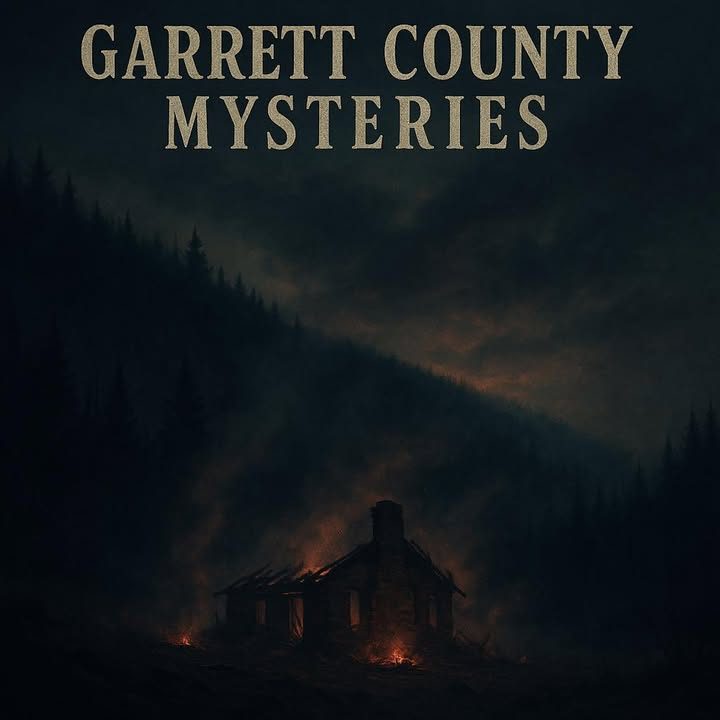
Deep in the quiet hills of Garrett County, Maryland, lies a patch of land with a reputation as unsettling as it is persistent. Locals call it the Cursed Land—a place where, for nearly two centuries, every home built has mysteriously burned to the ground.
The strange saga began in the early 1800s when a settler named Joseph Friend built his home near what is now Sang Run, a few miles from present-day McHenry. His house, by all accounts, was sturdy and well-made—until one night it caught fire and was reduced to ashes. Determined and resilient, Friend rebuilt on the same spot. But within a few years, that second home also burned, again without an apparent cause.
Friend, disheartened and superstitious, reportedly warned neighbors never to live on the scorched plot again. Some claim he even muttered that “the ground itself burns.”
For decades, no one dared build there. But as time passed and memories faded, others tried. Each time—without fail—those structures met the same fiery fate.
A Legacy of Flames
In the late 1800s, a man named Bray purchased the land, dismissing the old tale as mountain folklore. Within months, his farmhouse too was consumed by flames. Witnesses claimed the fire began inside the walls, spreading faster than wood should burn. There was no lightning, no accident, and no trace of arson.
Over the next century, several owners would try again to make use of the land. Some brought in surveyors; others planned summer cabins. Yet every attempt ended in ruin.
To this day, locals say the area smells faintly of smoke after heavy rain, and that patches of soil there stay unusually warm, even in winter.
Science or Superstition?
Skeptics point to natural explanations. Garrett County sits atop layers of shale and coal-rich soil, and underground smoldering—similar to what occurs in coal seams—could explain the strange fires. Others note the presence of iron pyrite (fool’s gold), which can oxidize and generate enough heat to ignite nearby material.
But none of these theories have ever been proven, and the “burning land” remains something of a local enigma.
Local Lore and Lasting Fear
Old-timers in the Sang Run area still swap stories of flickering lights seen over the ridge on foggy nights, or the eerie crackle that can sometimes be heard on still evenings. Hunters claim that no animals nest there; even deer avoid crossing through.
Some versions of the tale go further. They say that Joseph Friend made a pact the night of his first fire—begging the forest to spare his family, promising whatever the land desired in return. When his home burned again, they say, the forest collected.
A Place Best Left Alone
Today, the so-called Cursed Land is uninhabited. The exact plot is known only to a few families who have passed the story down through generations. Many locals insist they could take you there—but won’t.
As Garrett County continues to grow and attract new residents, some might wonder if the myth is simply a warning from history: a reminder that in these ancient Appalachian hills, the past never truly dies—and sometimes, it still burns.
Editor’s Note:
This article is based on historic accounts collected from local oral histories and reports archived by AppalachianHistory.net and regional folklore. No definitive scientific explanation has ever been confirmed for the “Cursed Land” phenomenon, leaving the mystery smoldering in the hearts of locals to this day.